Pesticides are essential tools in modern agriculture, protecting crops from pests, diseases, and weeds to ensure healthy growth and high yields. Here’s what you should know:
🔬 What are pesticides?
Pesticides are chemical or biological agents used to kill, repel, or control pests such as insects, fungi, weeds, and rodents that damage crops.
💡 Types of pesticides:
1. Insecticides
- Used to control insect pests that feed on crops (e.g. aphids, beetles).
- Examples: Pyrethroids, Organophosphates.
2. Herbicides
- Control or eliminate unwanted weeds competing with crops for nutrients, water, and sunlight.
- Examples: Glyphosate, Atrazine.
3. Fungicides
- Prevent or treat fungal diseases such as rusts, blights, and mildews.
- Examples: Mancozeb, Chlorothalonil.
4. Rodenticides
- Control rodents that damage crops and stored grains.
- Examples: Bromadiolone, Brodifacoum.
🌾 Why are pesticides important?
- Protect crops from yield loss due to pest attacks.
- Ensure food security by increasing farm productivity.
- Improve crop quality and marketability.
- Reduce manual labor in weed and pest management.
⚠️ Best Practices when using pesticides:
- Use Integrated Pest Management (IPM) strategies to reduce reliance on chemicals.
- Always follow label instructions and safety precautions.
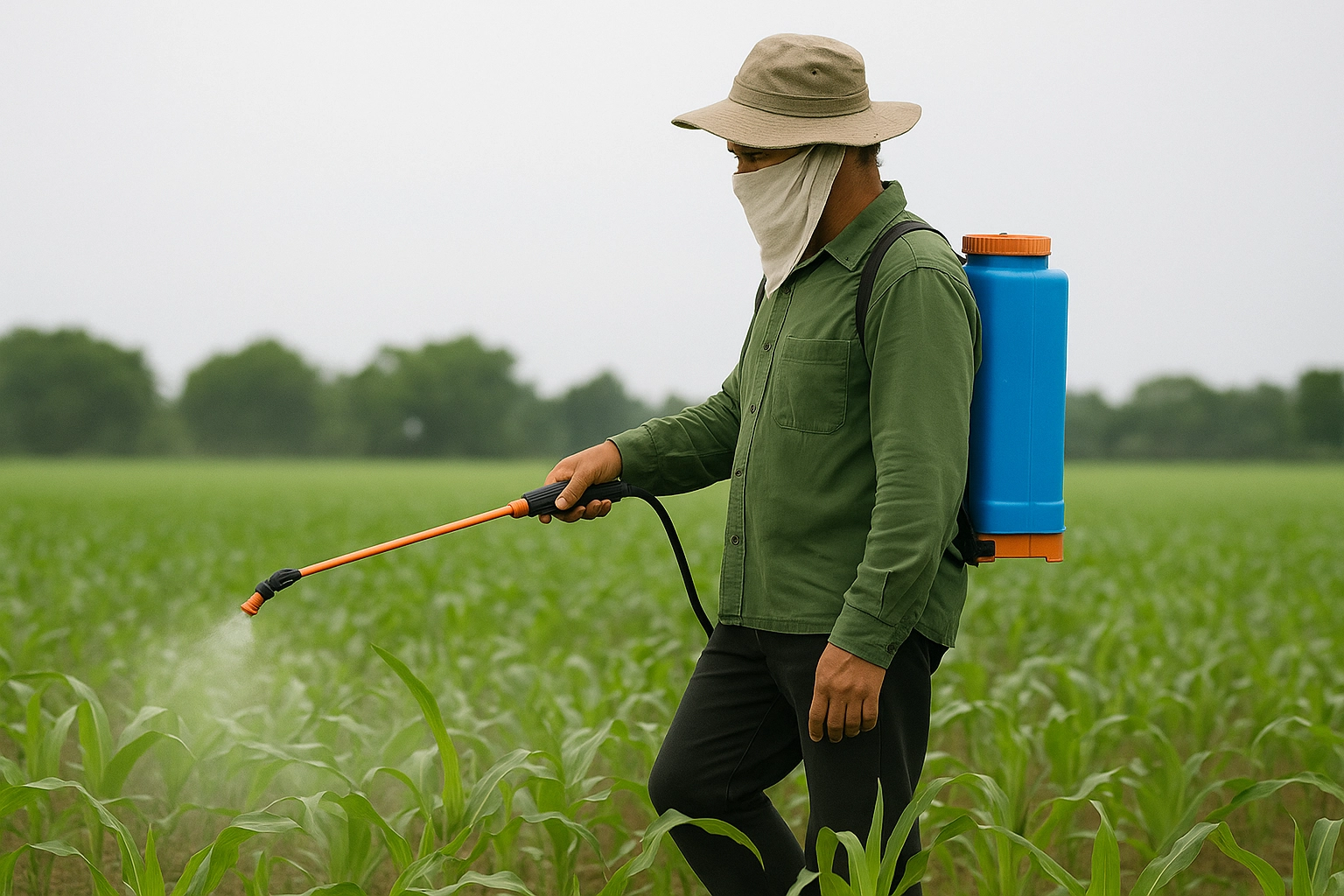
- Wear appropriate protective equipment when handling and spraying pesticides.
- Store pesticides safely away from children, animals, and food storage areas.
- Rotate chemical classes to reduce pest resistance development.
💭 Final Thought
Using pesticides responsibly ensures crop protection while safeguarding human health and the environment.
🔎 Engage with Us!
What pest control methods do you use in your planting routine? Share your experiences and tips below!